Using an eSIM on a cruise: in port and at sea
The honest answer: a travel eSIM works in port, not on open sea. eSIMs connect to local networks on land, so they are perfect for shore days but go dark once the ship sails out of range. For port days, an eSimania plan (regional for many stops, or single-country for a couple) is cheap and instant, with Jetpac a budget multi-country option. At sea you are left with the ship wifi or its satellite service, both sold by the cruise line and pricey. eSimania prices verified September 24, 2026; the Jetpac figure dates from July 9, 2026. Speeds are carrier-dependent and never guaranteed.
A cruise is the one trip where a travel eSIM has a real limit, and it is worth understanding before you buy. Below is exactly when an eSIM helps, when it cannot, and how to pick a plan for the ports on your itinerary.
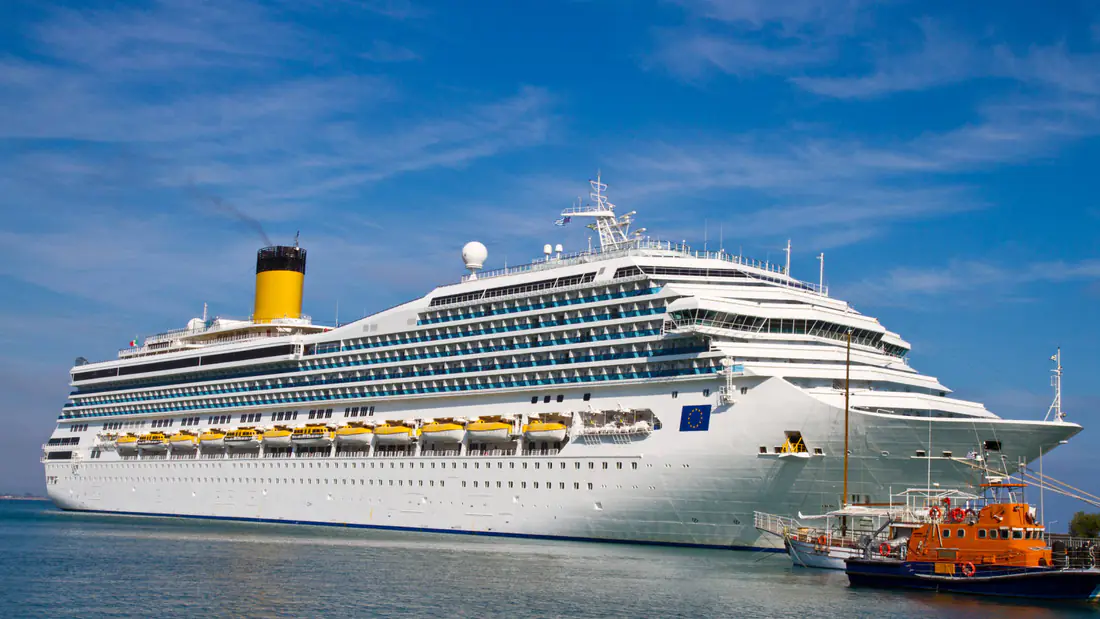
Why an eSIM does not work at sea
A travel eSIM roams on local mobile networks, the same towers your phone would use on land. Out on open water there are no such towers in range, so the eSIM simply has no signal. Ships instead offer their own wifi and, on many vessels, a maritime cellular service (often branded Cellular at Sea). That maritime service is a special, expensive roaming network, and it is not something a travel eSIM can use. Keep your phone on airplane mode with wifi on while at sea, so it does not latch onto costly ship cellular by mistake.
When your eSIM works: port days
The moment you dock and step ashore, your phone is back in range of the local network, and a travel eSIM connects like it would on any land trip. That covers maps, ride-hailing, translation, messaging and photo uploads on shore excursions and around the port town. For most cruisers, port days are exactly when they want cheap, fast data, and an eSIM is far cheaper than ship connectivity for that.
At sea vs in port
Which plan for which cruise
- Caribbean cruise: ports span several countries. Buy a plan for each country you dock in, for example the Dominican Republic, the Bahamas or Mexico, and price each one separately: 1 GB was around $6 in the Dominican Republic but around $21 in the Bahamas when we checked on September 24, 2026.
- Mediterranean cruise: a single Europe eSIM usually handles every port on one plan. Note the regional premium though: eSimania's 41-country Europe plan was around $9 for 1 GB on September 24, 2026, against around $2 for a single-country Spanish plan. The same day, eSIMDB also listed smaller eSimania regional bundles covering 33 to 35 countries from about $2.16 for 1 GB over 7 days, so check which countries a bundle includes before paying the 41-country price. If your ports are all in one or two countries, buying per country is cheaper; the regional plan buys you convenience across many.
- South America cruise: a South America regional plan can cover a run of ports, though check the country list against your itinerary.
- Alaska cruise: most ports are in the United States and Canada, so plan for those two.
Our cruise picks

Best for port days: eSimania (per-country and regional plans)
Data-only eSIM, single-country or regional plans
From about $2 / 1 GB
An eSIM connects the moment you dock and step ashore, so it is ideal for port days. For a cruise with stops in one country group, a regional plan is simplest; for a couple of well-spread ports, buy a single-country plan for each. On eSimania a single-country Europe plan is cheap (about $2 for 1 GB in Spain), while the 41-country regional Europe plan is about $9 for 1 GB, and Caribbean prices swing hard by island: about $6 for 1 GB in the Dominican Republic against about $21 in the Bahamas. It will not work out on open water, where no travel eSIM does. Prices checked September 24, 2026; speeds are carrier-dependent.
Pros
- Connects instantly when you reach each port
- Single-country or regional plans to match your itinerary
- Cheap on single-country Europe plans (about $2/1 GB)
Cons
- Works only in port and near shore, never on open sea
- Caribbean pricing swings by island (about $6 to $21 / 1 GB)
- Data-only, so no phone number or SMS
Best for: Staying connected on shore excursions and in port, on maps, messaging and photos.

Best for a multi-country cruise route: Jetpac eSIM
Data-only eSIM, one install spans multiple countries
A cruise often touches several countries, so a single install that spans many of them is handy. Jetpac has plans in 200-plus destinations on a single eSIM, one install covering multiple countries, and free airport lounge access if the flight to your embarkation port is delayed 60 minutes or more. Like any travel eSIM, it works in port, not at sea. Speeds are carrier-dependent.
Pros
- Plans in 200-plus destinations on one eSIM
- One install can cover several cruise ports across borders
- Free airport lounge access on a 60-plus minute delay
Cons
- Data-only, no calls or SMS
- Works only in port, not on open sea
Best for: A multi-country cruise where you want one cheap install across several ports.
New to this? Our how eSIMs work guide covers activation, and the best travel eSIM guide helps you size your data for each port.
The setting that stops a surprise bill at sea
The expensive mistake on a cruise is not the eSIM, it is the phone quietly finding the ship's maritime network. That service is a roaming partner like any other, and it bills at maritime rates, which are among the highest anywhere. Before you sail, turn data roaming off on your home line and leave the travel eSIM as the only line allowed to use data. In port it connects to the local network as normal. At sea neither line finds anything, which is exactly what you want, because a phone that cannot connect cannot bill you. If you do want to be reachable at sea, buy the ship package deliberately rather than discovering it on your statement.
Planning data around a port-day itinerary
Cruise data usage looks nothing like a land trip, and that changes which plan makes sense. You are online in concentrated bursts on shore days and offline in between, so total consumption is usually lower than for the same number of calendar days ashore. That argues against a daily-billed unlimited plan, which would charge full price for sea days when the phone has no signal at all. A small fixed plan sized for your shore days is the better shape. Download offline maps for each port before you leave, and let photo backup run on the ship wifi rather than on mobile data in port, where it will eat a shore day's allowance in one go.
Frequently asked questions
Does an eSIM work on a cruise ship?
Only in port, not on open sea. A travel eSIM connects to local mobile networks on land, so it works when you dock or are close to shore, but out on the water there is no local network to reach. On open sea you rely on the ship wifi or a maritime satellite service, both sold separately by the cruise line and usually expensive.
How do I get internet at sea on a cruise?
At sea your only options are the ship wifi package or the vessel maritime satellite service, both bought from the cruise line and typically pricey. Keep your phone on airplane mode with wifi on so it does not connect to costly ship cellular at sea. Then use a travel eSIM for cheap fast data once you reach each port.
Which eSIM is best for a Caribbean cruise?
For a Caribbean cruise, buy a plan for the countries you actually dock in. If your ports are spread across many islands, a regional plan can be simpler; for one or two stops, a single-country plan is cheaper. Caribbean data runs well above Europe and varies sharply by island: on eSimania on September 24, 2026, 1 GB was around $6 in the Dominican Republic and around $21 in the Bahamas, while the 26-country Caribbean regional plan was about $18. Price your actual ports before assuming the rate on one island applies to the next.
Should I use ship wifi or an eSIM?
Use both for what each does best. Ship wifi is the only option while at sea, though it is often slow and pricey. A travel eSIM is much cheaper and faster in port and on shore excursions. Many cruisers buy a small wifi package for sea days and rely on an eSIM whenever they are ashore.
We describe ship wifi and maritime cellular as they work and do not link out to any provider; our only commercial links are to the picks we route to. Coverage depends on each port's local networks, and speeds are never guaranteed.